
Author: Abderrahman Alamrani
-

The Business Model of Modern Loneliness
Loneliness is no longer outside the market In When Connection Replaces Presence, the question was personal: what happens when the tools that help us reach each other also train us out of presence? This post moves from that personal problem to its economic extension. If digital life can weaken presence, the video They Need You…
-

What I See When Tech Tries to Replace Thinking
This is not a pitchfork post about burning technology down. It is a post about what technology is not: a substitute for meaning, judgment, education, work, trust, or the messy human world that software keeps trying to flatten into data.
-

Dangerous Apps and the Invisible Market Inside Your Phone
DW Documentary’s Dangerous Apps, In the Web of Data Brokers exposes how ordinary mobile apps can feed a global market for location data. This post explains what the documentary reveals, why it matters, and why the full video is worth watching.
-

A Look at Free AI Courses from Anthropic and IBM
Anthropic Academy and IBM SkillsBuild both offer free AI learning resources, but they serve different purposes. Anthropic focuses more on Claude, APIs, Claude Code, MCP, and agent workflows. IBM SkillsBuild offers broader AI literacy courses for students, educators, adult learners, and people exploring digital credentials.
-
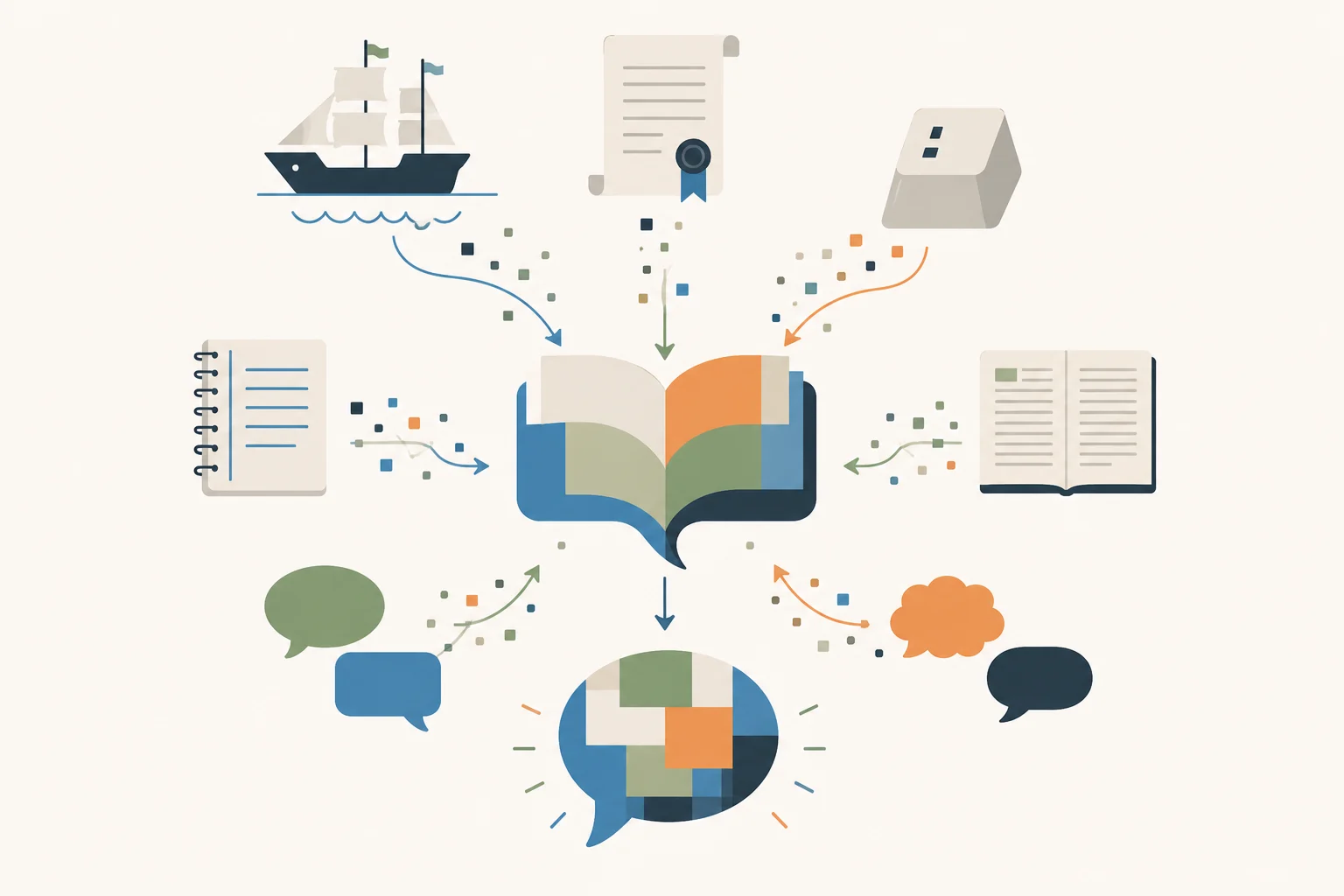
The Paradox of Global English
Discover why English rules the world not because it is simple, but due to centuries of empire, trade, and technological influence. From its “linguistic vacuum cleaner” history to its complex layers of vocabulary and irregular grammar, global English thrives on diversity, adaptation, and pragmatic flexibility. Learn how its vast lexicon, historical layers, and digital evolution…
-

What is correct English?
What we call “correct English” is only one stabilized version of a much larger system. English changes through use, habit, context, and social pressure. Every sentence is a small negotiation between what grammar teaches, what people actually say, and what the situation requires.
-
When Connection Replaces Presence
We use technology to reach each other, but something has changed in the way we listen, speak, and stay present. Being reachable is not the same as being available, and constant contact is not the same as closeness.
-
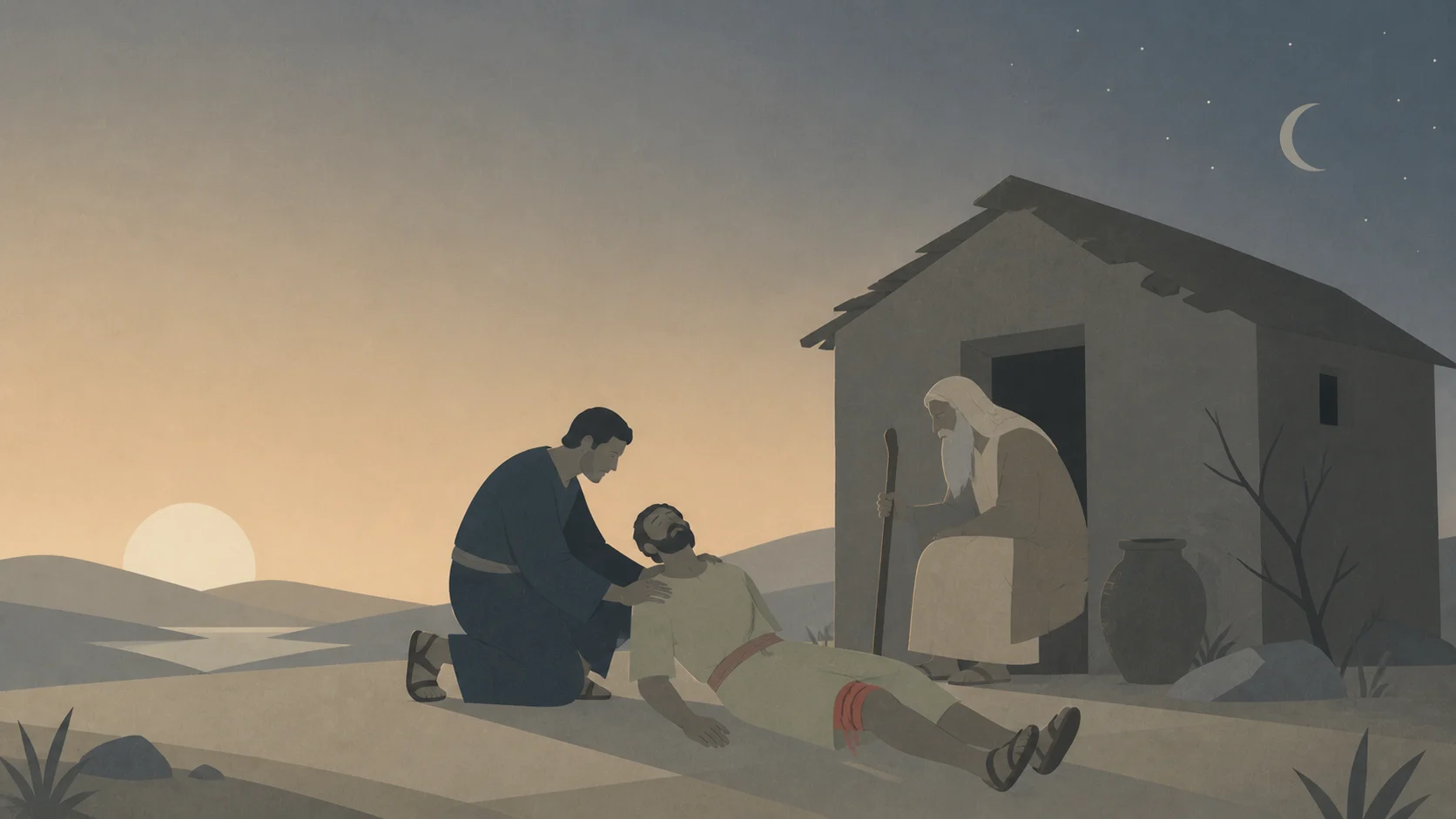
What Tolstoy Shows About Time, People, and Action
Tolstoy’s story doesn’t give abstract advice. It shows, through one sequence of events, why attention to the present matters more than any plan.
-

Somewhere Between Necessity and Belief
The honest answer to “Why are you a teacher?” is not always simple or inspirational. Sometimes it begins with necessity, survives through discomfort, and only later becomes belief in students, classrooms, and the strange work of helping people grow.
-

Blanche DuBois and the Violence of Desire
A Streetcar Named Desire is not only about Blanche’s collapse. It is about the forces that make survival depend on illusion.