
Author: Abderrahman Alamrani
-
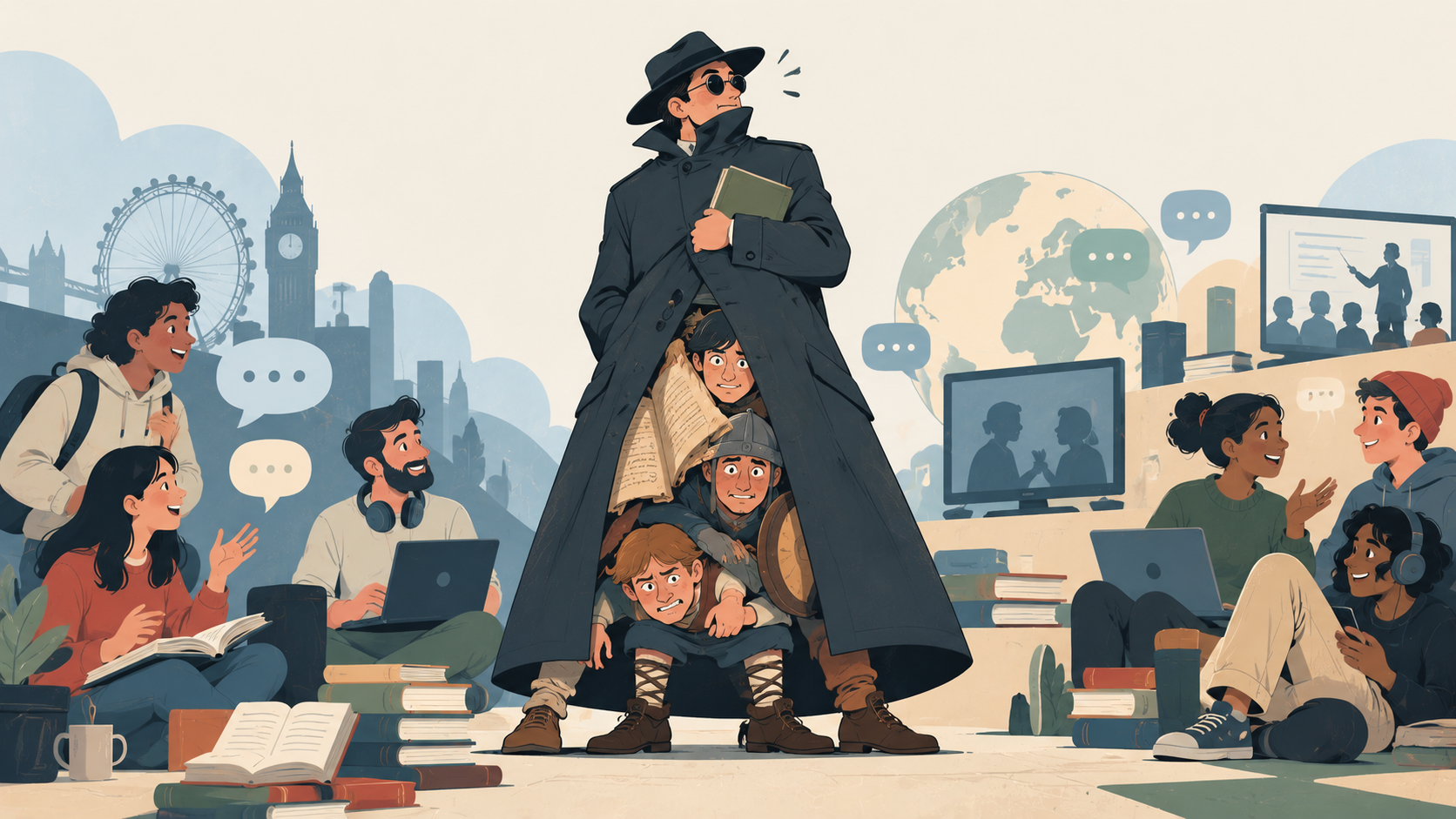
Three Languages Wearing a Trench Coat Pretending to Be One
English did not become a global language because it was especially logical, pure, or easy. It grew through migration, conquest, trade, empire, culture, and economic power, absorbing other languages along the way. Today, most people who use English are not native speakers, and the language continues to change every time people use it.
-

The View from the Bottom
Every October 5, teachers are celebrated with familiar speeches about respect, sacrifice, and the importance of education. I have become increasingly uncomfortable with that language. Teachers are not prophets, martyrs, or symbols. They are workers doing a difficult job inside a system that often prefers praising them to properly supporting them.
-
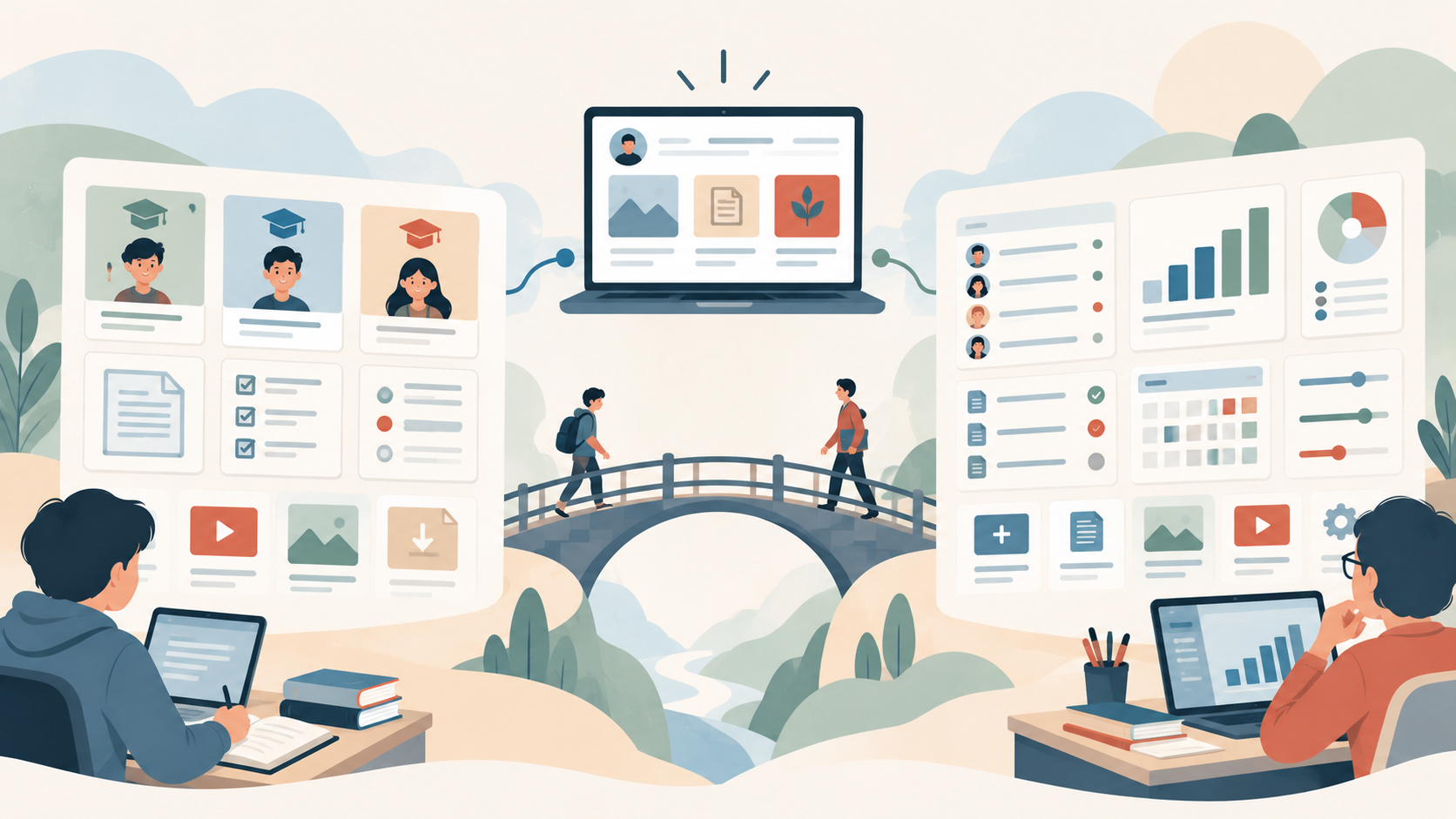
The Learning Hub: A Small LMS Built Around My Students
The Learning Hub is a small LMS-style website I built for my students. It gives them one place for assignments, resources, diagnostic tests, activities, and announcements, while giving me a private dashboard to organize classes, review submissions, publish content, and track progress without adding unnecessary complexity.
-

What Is Project English?
Project English is my portfolio, but that description only explains part of it. It is where I collect the things I build, write about the things I think are worth discussing, and give my teaching projects, apps, experiments, photography, music, and occasional questionable ideas somewhere to live.
-
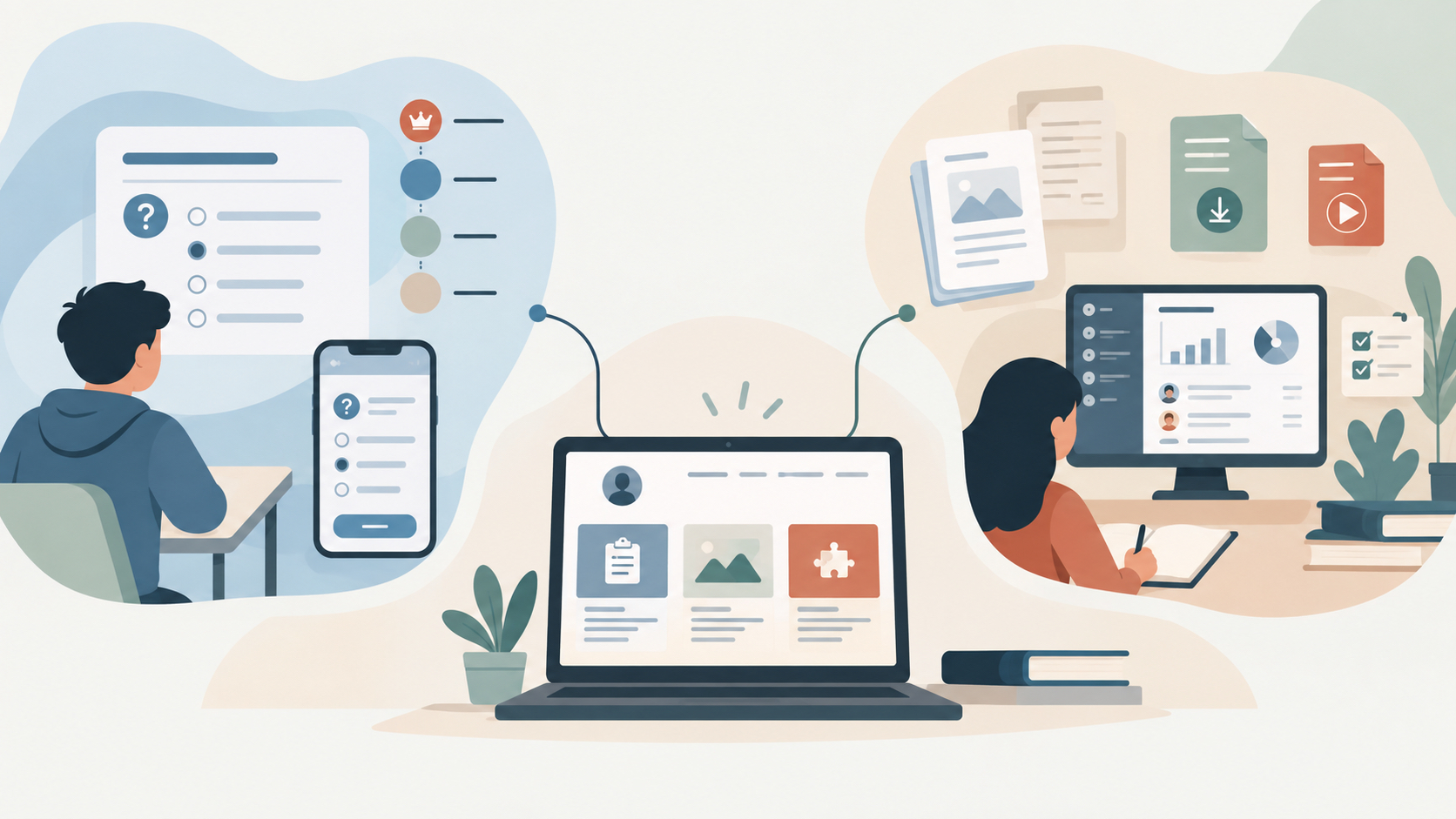
Recent Updates & Additions to Project English
Project English is my portfolio, and over the past few months I have been adding more of the things I actually work on. Two of the latest projects are a free language placement test and a learning hub I built for my students.
-
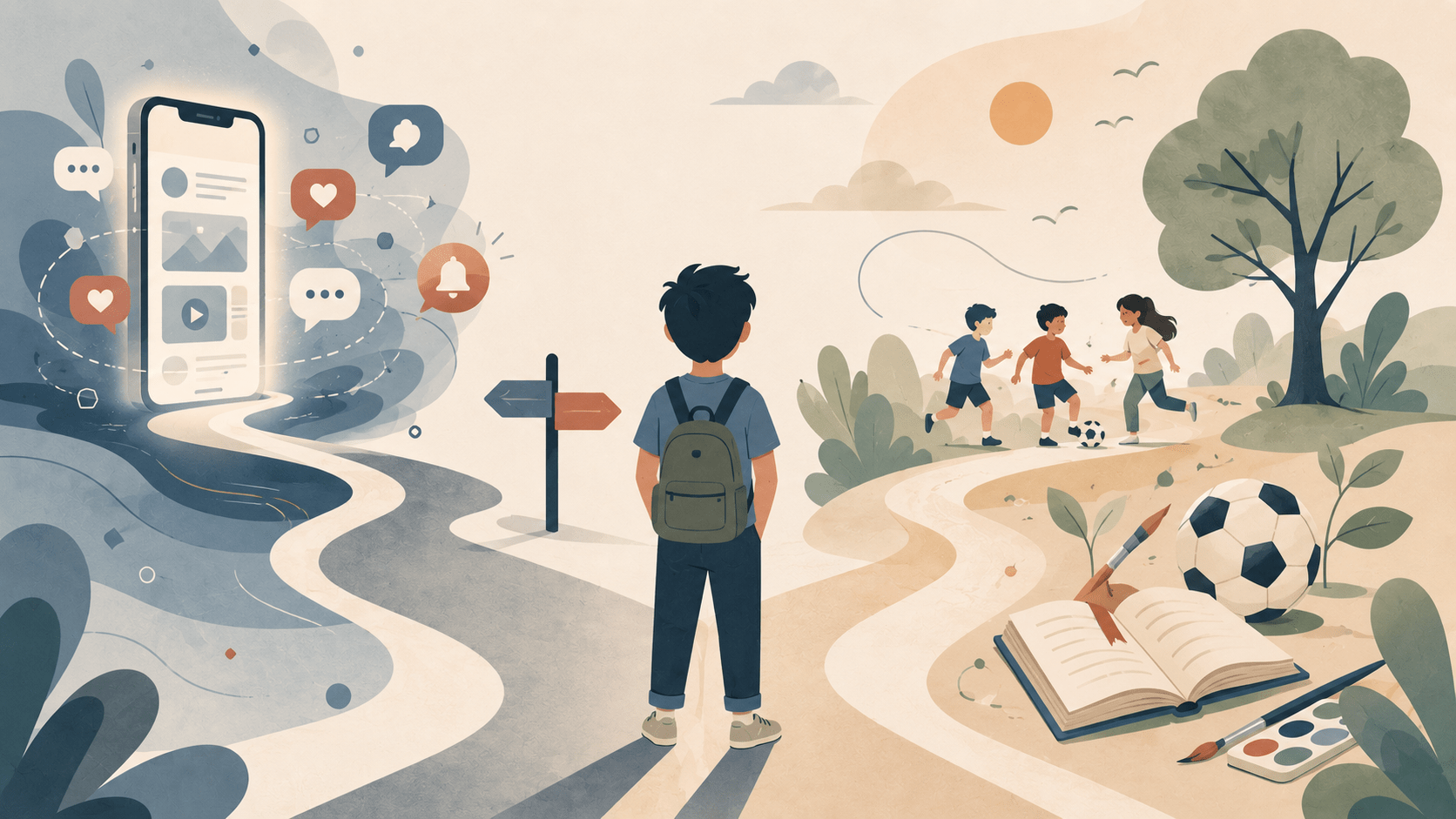
Why Banning Social Media Won’t Fix the System Competing for Children’s Attention
School phone bans focus on what happens inside classrooms. The UK’s proposed under-16 social media restrictions go further by targeting the platforms themselves. But the same question sits underneath both debates: if children spend less time online, what are we offering them instead?
-
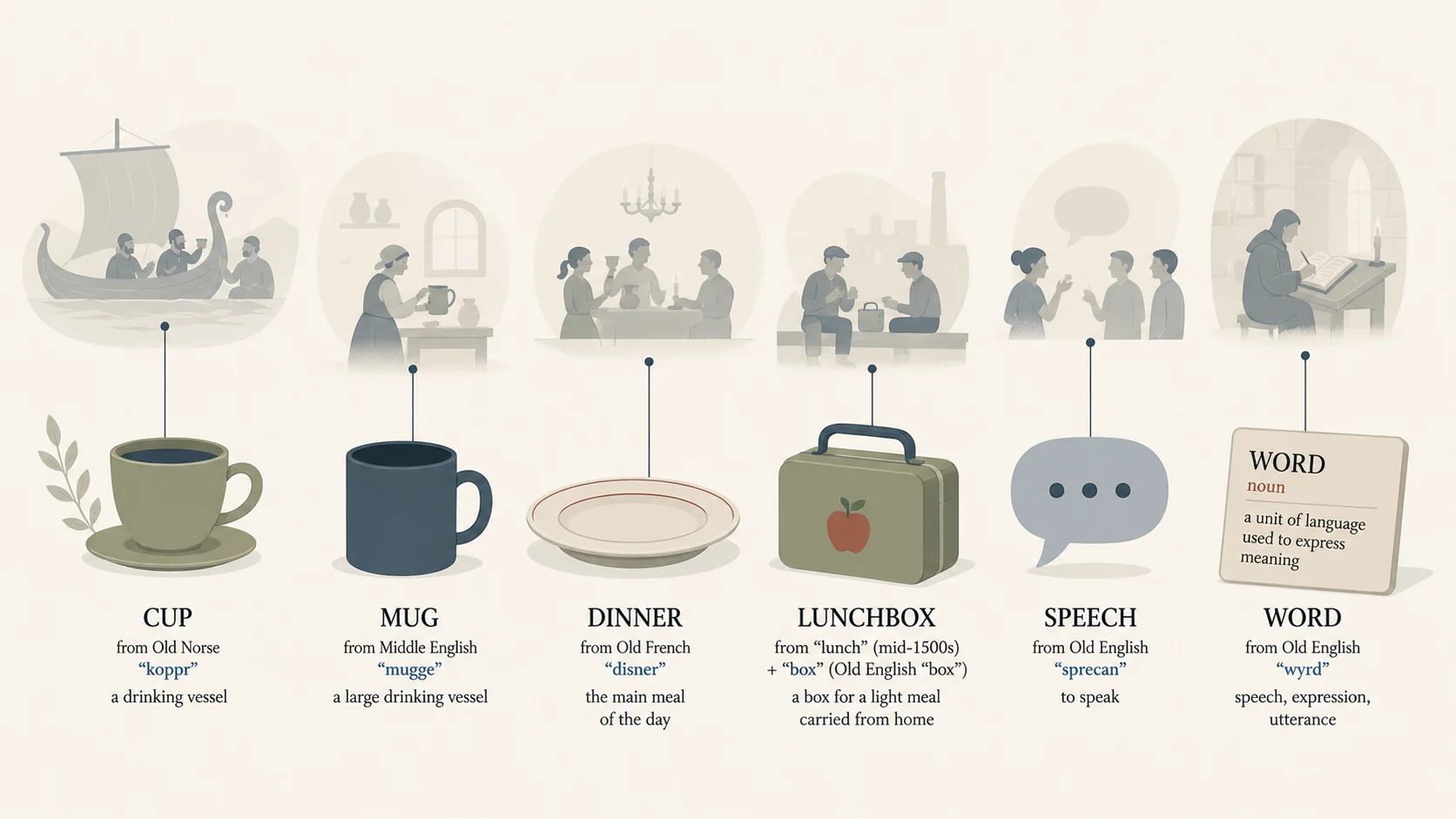
The Hidden History of Ordinary English Words
Some English words look ordinary until we notice what they carry. A meal name can reveal class and region. A cup can suggest ritual while a mug suggests use. A small choice like among or amongst can change the social feel of a sentence. This post looks at words not as dictionary items, but as…
-

Why Keeping a Vocabulary List Does Not Really Work
Vocabulary teaching is not about asking learners to copy words into a list. It is about helping them notice, use, revise, connect, and remember words. Books like English Vocabulary in Use can support teachers, not as products to sell or scripts to follow, but as references for building better vocabulary lessons and worksheets.
-

School Phone Bans Are Not a Shortcut Back to Attention
Lockable phone pouches reduce phone use in schools. That part is clear. What is less clear is whether banning phones can fix the deeper problem: a generation raised inside constant digital access, often long before schools ever get to intervene.
-

MrBeast and the Spectacle of Charity
The video MrBeast Is What Marx Warned Us About looks at MrBeast’s philanthropy through a Marxist lens, asking what happens when charity becomes content, suffering becomes watchable, and generosity has to perform well enough to satisfy the algorithm.